

Mottled skin, also called mottling, is a blotchy, marbled pattern of purple, red, or blue patches that appears when blood flow to the skin slows. Near the end of life it usually begins on the hands, feet, and knees and moves toward the body. If you are noticing it on someone you love, the first thing to know is that it is not painful for them. It can also have other causes, from cold to infection, and this article covers those too.
Medically reviewed by Alex Roshko, RN. Updated October 2026.
What causes mottled skin?
What is the reason behind this body phenomenon? The main factor is a reduction in blood circulation. As the body begins to slow down, especially as it nears the end of life, it shifts blood flow to essential organs, reducing the amount available for the skin. The reduction in flow causes those unique, mottled designs to form. It is among the various indicators of approaching death that our body employs to convey its condition.
However, there is additional information to be shared. When the heart's effectiveness decreases, it has difficulty pumping blood properly, leading to these skin color alterations. Furthermore, the effectiveness of temperature regulation decreases, which adds to the marbled appearance. The skin could feel cold when touched, or it might change color, turning blue or purple. Typically, these changes first occur in the outer parts of the body, like the hands and feet, then progress towards the center.
Additional bodily changes may also play a role in causing mottled skin. For example, the body's metabolic functions decrease, impacting the distribution of blood and oxygen. Changes in fluid levels can also cause alterations in skin pigmentation. The mottled appearance during this phase is a result of the combination of these factors.
What does mottled skin look like?
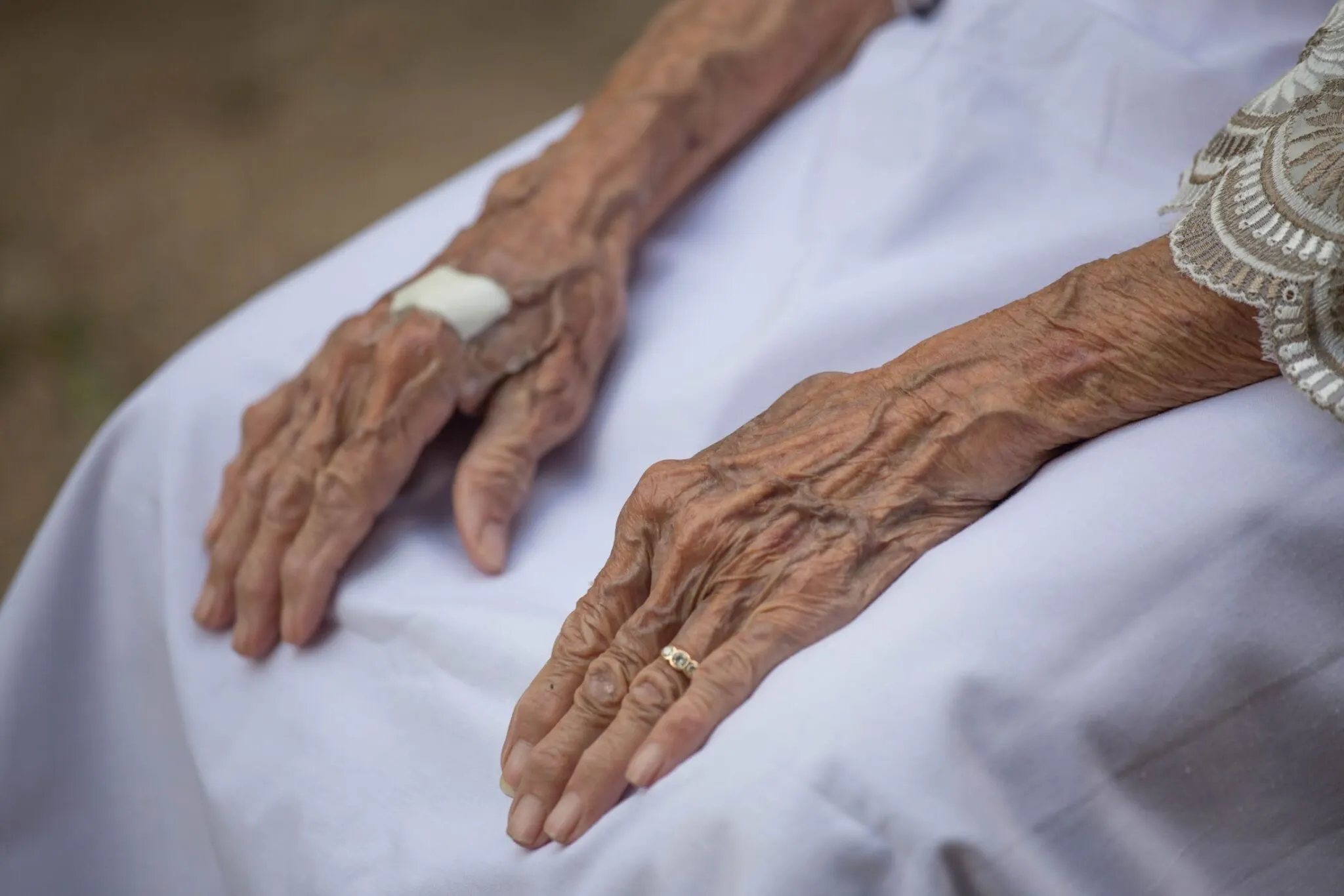
Mottled skin looks like lace or marble: patches of purple, red, or blue over paler skin, usually on the knees, feet, and hands first. Those areas often feel cool to the touch. The person themselves is usually unaware of it; it is far more noticeable to the people sitting with them.
- Irregular patches with discoloration are the most evident symptom noticed on the skin. These patches frequently display a marbled appearance featuring tones of purple, red, blue, or even black.
- Because of decreased blood circulation, the impacted regions may feel colder than the rest of the body.
- At first, the mottling may seem subtle, but it will become more noticeable as time goes on. The colors can vary from pale purple or red to deeper hues.
- Typically, the mottling starts in the hands, feet, and legs and can progressively extend to the torso.
- The mottled areas will show an uneven skin tone, displaying sharp differences between unaffected skin and mottled patches.
- Other the end of life signs include mottled skin, as well as increased fatigue, changes in breathing, and decreased responsiveness.
When does mottling appear before death?
In the context of skin mottling before death, this phenomenon can start days to hours before a person passes away. It begins in the extremities, such as the hands, feet, and legs, and can spread toward the torso as the body progressively focuses blood flow to vital organs.
However, mottling isn't exclusive to the end-of-life process. It can also occur due to other conditions that affect circulation, such as severe infections, hypothermia, or chronic illnesses. Understanding when mottling occurs helps caregivers and loved ones recognize this important sign and provide the necessary comfort and care.
Does mottled skin always mean the end of life is near?
Not on its own. In hospice care, mottling is read alongside other changes: longer pauses in breathing, hands and feet that stay cool, sleeping for most of the day, and little interest in food or drink. When several of these appear together, the care team will usually tell you that time is becoming short. Mottled skin by itself can have ordinary causes. Cold is the most common, and a lacy pattern that comes and goes with temperature, called livedo reticularis, is usually harmless.
Mottling can also be a warning sign of serious infection, shock, or very low blood pressure. If it appears in someone who is otherwise well, or comes with fever, confusion, a racing heartbeat, or trouble breathing, treat it as urgent and call their doctor or emergency services.
Is mottling painful?
It can be concerning to see a loved one with skin mottling, and it is common to question whether it is causing them discomfort. Fortunately, mottling is usually not a source of pain. The mottled areas on the skin indicate mainly a change in the body's circulation, particularly towards the end of life.
Although skin mottling is not painful, it signifies underlying conditions that could lead to discomfort. For instance, a reduction in blood circulation and oxygen levels can lead to a cooler sensation on the skin and potentially add to an overall feeling of discomfort. However, the mottling itself isn’t a source of pain.
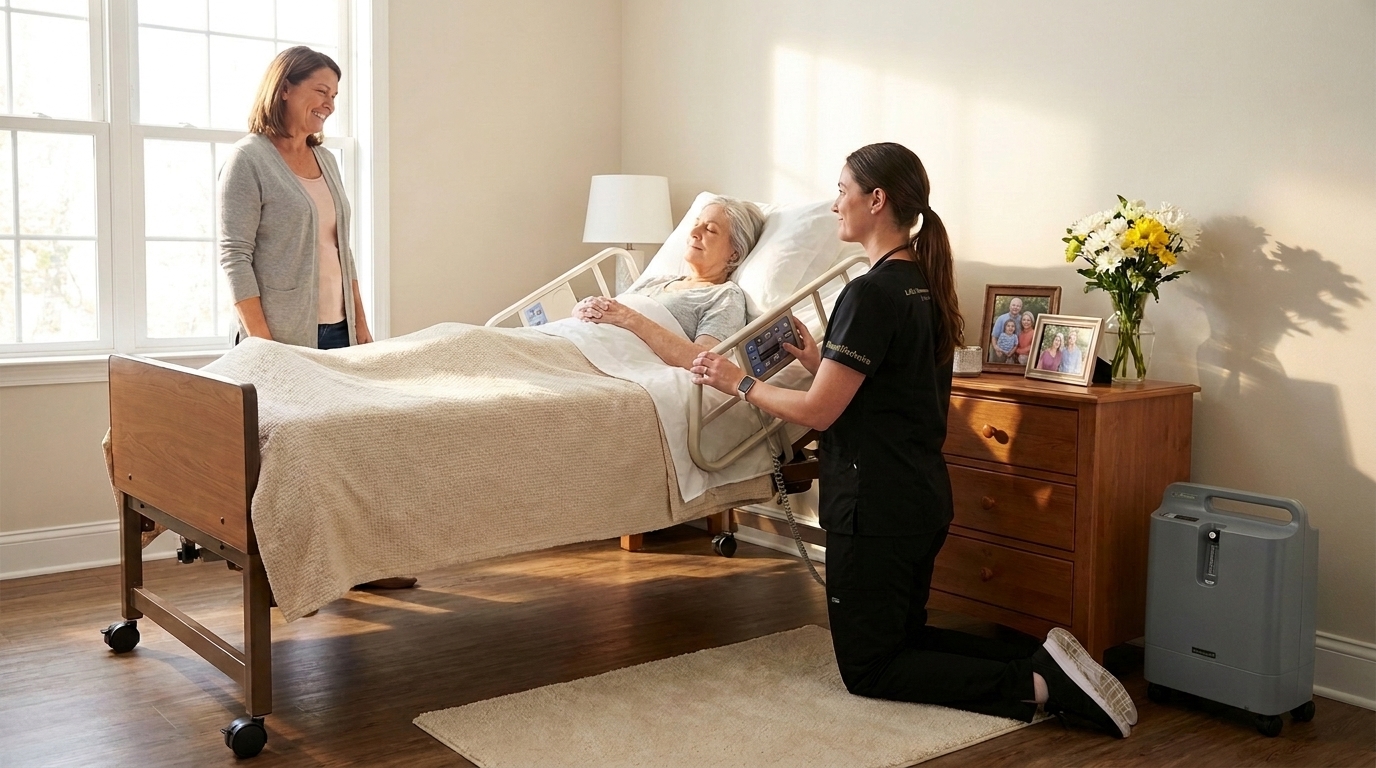
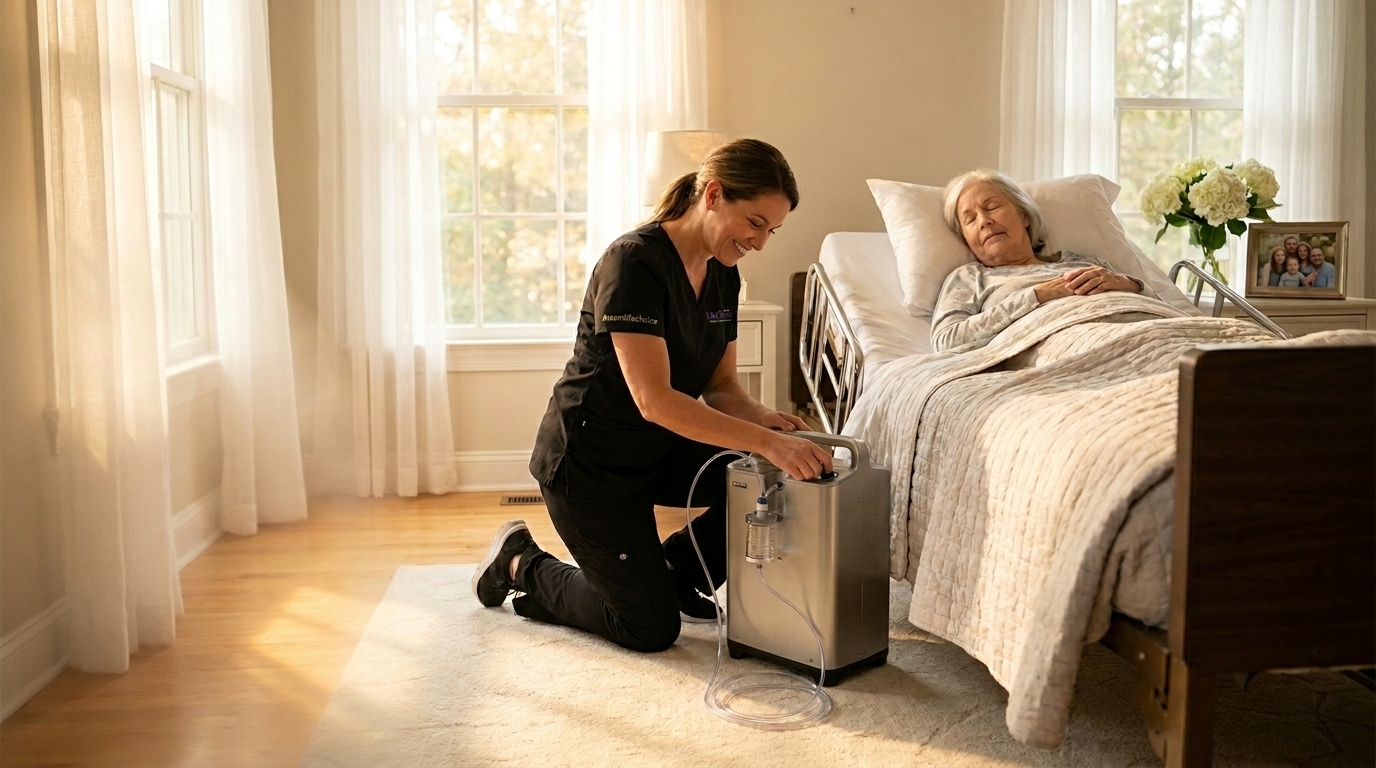
Our main goal is to keep the patient comfortable during this time. If you notice mottling, it’s essential to focus on overall comfort measures. This could involve making sure they are kept warm, moving them carefully to prevent bedsores, and dealing with any other symptoms they may have. Basic acts of kindness and comfort can have a big impact.
How can families prepare when mottling appears?
When a loved one shows skin mottling, indicating limited time, spiritual and emotional interventions become crucial. This period offers a chance for meaningful goodbyes and emotional support.
Families should prepare for and say their final goodbyes. Open conversations about feelings and memories help create a supportive space for everyone to express their love and find closure.
A hospice chaplain can provide invaluable spiritual support, offering prayers, meditations, and rituals that align with the patient's beliefs. Their presence can bring comfort and peace to both the patient and the family.
Young children need emotional preparation. Explain the situation in an age-appropriate manner, encourage them to share their feelings, and reassure them that their emotions are normal and valid.
Incorporating spiritual and emotional interventions ensures the final days are filled with love and understanding. Seeking help from a hospice chaplain and preparing the family can create a compassionate environment during this difficult time.
How does hospice keep someone comfortable when mottling appears?
Caregivers and hospice services at LifeChoice attach the highest priority to managing and alleviating discomfort associated with mottled skin. Here are some steps to ensure the patient's comfort during this time:
Individualization of the care plan is very critical. Hospice palliative care will develop an individualized plan addressing the specific needs of a patient. This may include pain management strategies and how the patient will receive emotional support and practical assistance. Pain should be managed very tightly, with medications closely monitored for comfort without undue sedation.
Keeping the patient warm is important because mottled skin can result from reduced circulation, which causes the patient's skin to feel cool. Blankets, warm clothing, and gentle massages all help to keep the patient at a comfortable temperature. Regular repositioning will help prevent pressure sores and improve circulation. The hospice team can advise on repositioning the patient gently but effectively.
Moreover, the patient has to be well-hydrated and well-fed. The hospice team will provide some guidelines on how to feed the patient with liquids and food even at a time when their appetite has waned drastically.
Emotional and spiritual support are crucial in the overall comfort of the patient. Counselors are part of the hospice team and are always ready to offer emotional comfort. Other chaplains provide spiritual guidance that will help the patient and their family and friends cope with this touching period.
The hospice team needs to keep open communication with the patient and the patient's family. Regular updates on the care plan and discussions keep everyone updated and permit each to have input for the comfort of the patient. It is in this way that, through these comfort measures, hospice palliative care takes care of patients going through mottled skin and provides compassionate, comprehensive care that enables them to live life to its fullest.
Key Takeaways
Here is what mottled skin means in end-of-life care.
Mottling occurs because blood flow decreases as the body redirects blood to vital organs. These blotchy, discolored patches are a visual sign that helps caregivers and loved ones recognize the final stages of life. While mottling itself isn’t painful, it indicates underlying conditions that may cause discomfort.
Recognizing the signs and causes of mottling allows for better planning and emotional support. Families can prepare for final goodbyes, seek support from hospice chaplains, and provide emotional preparation for young children. The hospice team focuses on pain management, temperature control, and other comfort measures to ensure the patient's dignity and ease. All caregivers can provide compassionate care, ensuring comfort and peace during the final stages of life.
If you’re seeing mottling and wondering what it means for the days ahead, we can help. Not sure if it’s time for hospice?