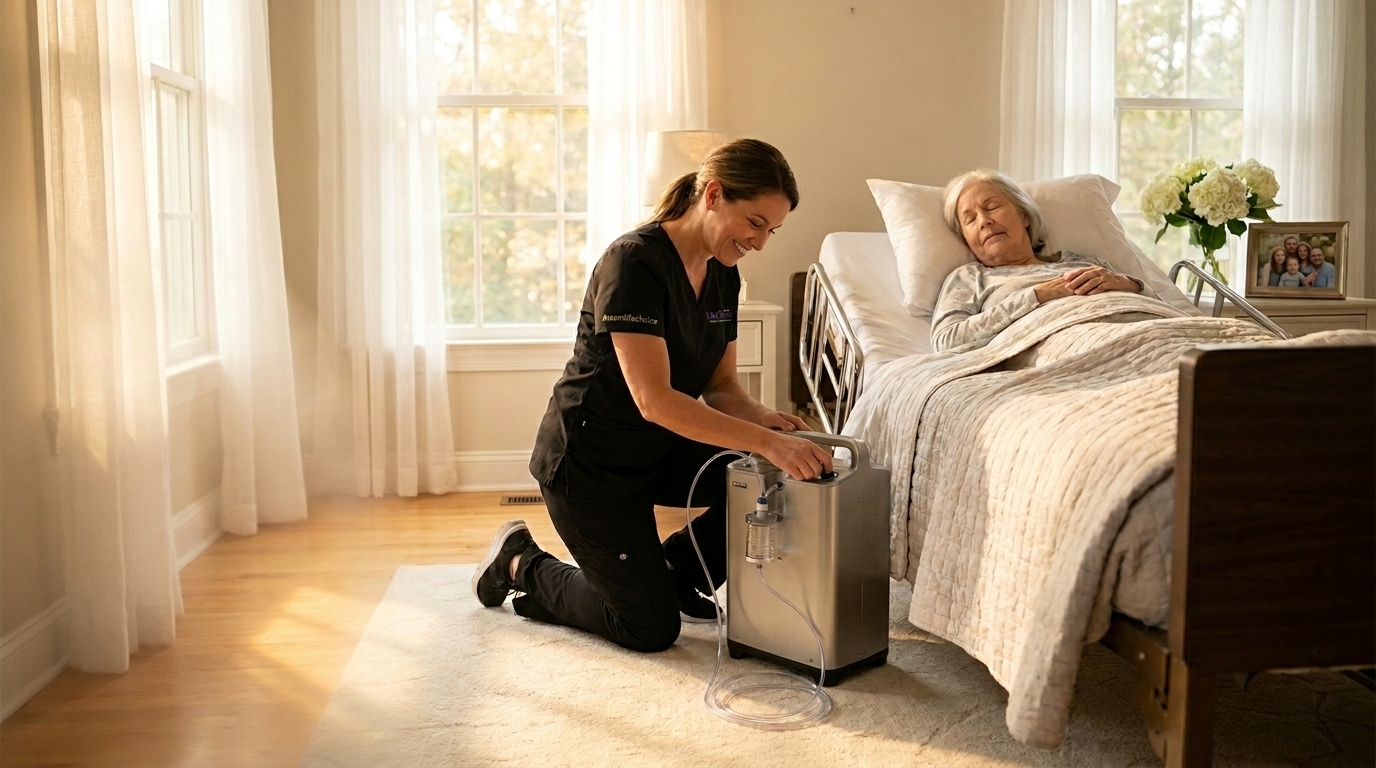
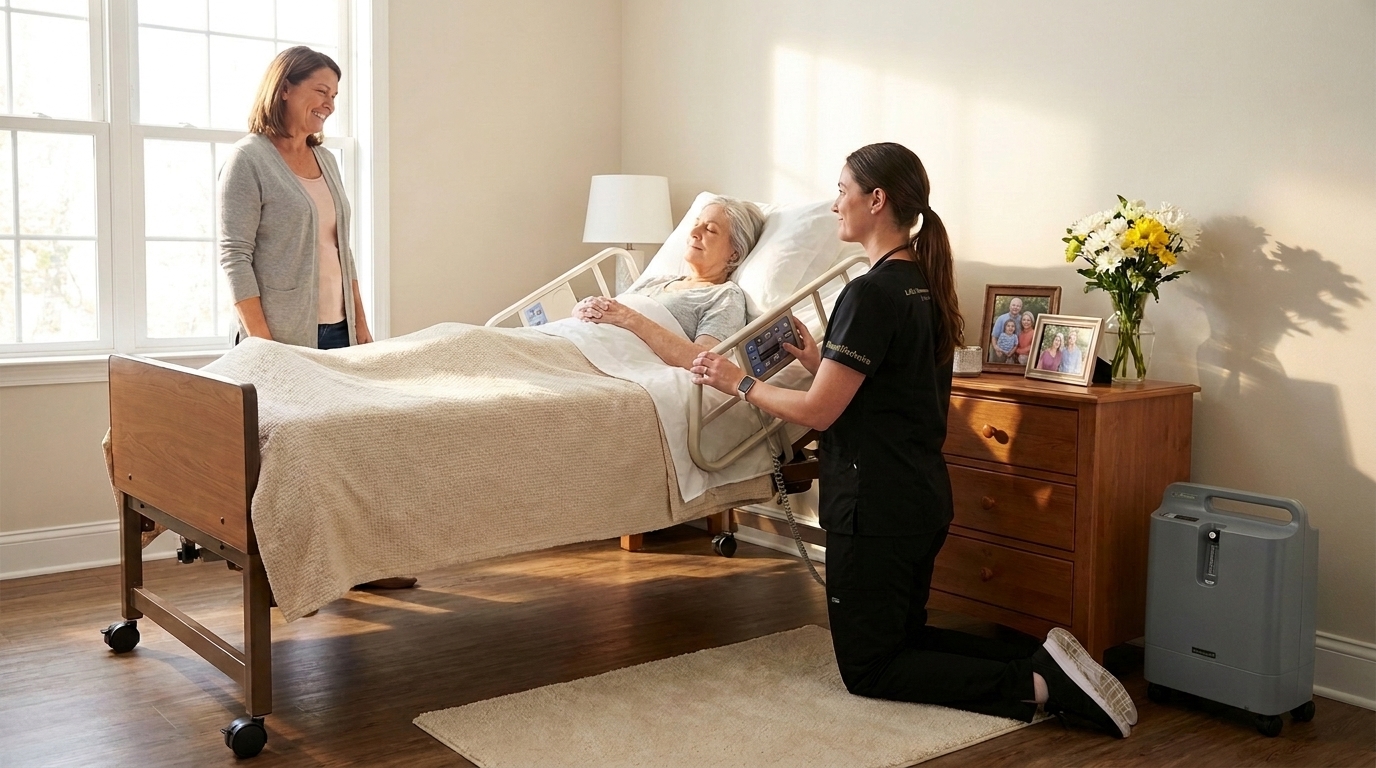


When your mother suddenly becomes agitated and confused, or your father struggles to breathe despite taking his prescribed medications, you're left wondering if there's more that can be done—and whether changing medication dosages on your own is safe. Palliative care medication management in hospice settings involves complex decisions about pain relief, IV therapies, and symptom control that families shouldn't navigate alone. Hospice medication management provides specialized expertise to ensure comfort care while addressing urgent concerns about breathing difficulties, pain management, and infection-related behavioral changes.
How Hospice Pain Management Works: From Mild Discomfort to Severe Pain
Pain is one of the most distressing symptoms for patients with serious illnesses, but it doesn't have to define the hospice journey. Effective pain relief allows patients to remain alert, engaged with loved ones, and focused on meaningful moments rather than suffering.
Hospice and palliative care approaches pain with precision and compassion—never settling for "good enough" when better relief is possible.
The WHO Stepped Care Approach to Pain Relief
The World Health Organization's stepped care approach means clinicians start with non-opioid medications like acetaminophen and NSAIDs for mild pain, escalate to weak opioids like tramadol for moderate pain (typically 50-400mg per day), and progress to strong opioids such as morphine for severe pain. This ensures effective pain relief while minimizing side effects through careful dose monitoring.
This stepwise method prioritizes the least invasive administration routes while tailoring medications to specific physiological needs such as renal or hepatic function. For example, a patient with kidney disease might receive fentanyl instead of morphine, since fentanyl doesn't accumulate in the body the same way.
The goal isn't just to reduce pain—it's to eliminate it completely whenever possible, so your loved one can sleep peacefully, enjoy visits from grandchildren, or simply sit comfortably in their favorite chair.
Common Pain Medications Used in Hospice Care
Hospice pharmacies stock a range of palliative medicine options tailored to different pain types and intensities. Acetaminophen remains the foundation for mild pain and works well when combined with other medications. Morphine is the gold standard for severe pain and comes in multiple forms—liquid, tablet, and fast-acting sublingual versions for breakthrough pain.
Lorazepam addresses anxiety that often accompanies pain, helping patients relax when discomfort creates emotional distress. Fentanyl patches provide steady, around-the-clock relief for patients who have difficulty swallowing or need consistent dosing without frequent medication administration.
What many families don't realize is that hospice doesn't stop all medications—it stops treatments that cause suffering without meaningful benefit while continuing medications that support comfort, function, and quality of life. A daughter in Schaumburg once told us she was surprised when hospice continued her father's cardiac medication because it prevented uncomfortable heart palpitations, even though his prognosis hadn't changed.
Hospice medical teams constantly evaluate whether each medication serves the patient's comfort and dignity, adjusting the regimen as needs evolve.
Why You Should Never Adjust Opioid Doses on Your Own
It's terrifying to watch someone you love in pain, and the impulse to give "just a little more" medication is understandable. But opioid management requires medical expertise that protects your loved one from both inadequate relief and dangerous complications.
Hospice physicians carefully titrate medications—gradually adjusting doses based on pain levels, side effects, tolerance, and other medications in the regimen. Too little provides insufficient relief; too much can cause respiratory depression, confusion, or oversedation that steals precious alert time with family.
Opioid tolerance develops differently in each person. Someone who has taken morphine for months may need higher doses than a patient just starting pain management, but the adjustment must account for metabolic factors, kidney function, and interactions with other medications.
When you call your hospice nurse to report increased pain, they don't just authorize more medication—they assess whether the pain stems from a new issue, whether the current medication is optimal, or whether adjuvant therapies like positioning or massage might help. This holistic evaluation ensures comfort care measures address root causes rather than masking symptoms.
Medicare covers hospice services including 24/7 nursing support, which means you never have to make these decisions alone. A quick phone call connects you with clinical expertise that keeps your loved one safe and comfortable.
Recognizing Infections That Cause Behavioral Changes
Sudden confusion, agitation, or personality changes in hospice patients often alarm families who assume disease progression has accelerated. But urinary tract infections frequently cause these exact symptoms—and they're treatable, even in hospice care.
UTIs create discomfort and cognitive changes that look like neurological decline but resolve completely with appropriate treatment. Hospice teams can provide UTI testing and treatment as a comfort measure to alleviate distressing symptoms, restoring the person you know instead of letting them suffer needlessly.
This is another example of how hospice focuses on living well. Terminal care doesn't mean ignoring treatable problems—it means addressing anything that diminishes quality of life while avoiding interventions that create more suffering than benefit.
A hospice nurse will evaluate behavioral changes, collect a urine sample if indicated, and coordinate with the physician for antibiotic treatment when appropriate. The goal is always maximizing comfort, clarity, and connection during the time families have together.
IV Therapy in Hospice: What's Available and What's Not
Many families assume hospice means no IV medications, but the reality is more nuanced. Hospice teams make individualized decisions about IV therapy based on whether it provides meaningful comfort without requiring hospitalization or creating unnecessary medical burden.
Continuous IV infusions typically require facility care because they need constant monitoring and equipment that isn't practical in home settings. However, hospice nurses can administer subcutaneous diuretics for fluid buildup causing shortness of breath, offering relief without hospitalization.
Subcutaneous administration means medication is injected just under the skin rather than into a vein—a simple procedure that nurses perform during home visits. For patients with congestive heart failure experiencing respiratory distress from fluid accumulation, this intervention dramatically improves breathing and reduces anxiety.
The decision framework is always the same: Does this intervention improve comfort and quality of life without creating undue burden? If diuretics help someone breathe easily enough to enjoy family dinners, hospice provides them. If IV antibiotics would require facility admission for a patient who wants to remain home, hospice explores alternatives like oral or subcutaneous options.
This individualized approach means your hospice medical team evaluates each situation based on your loved one's goals, values, and current needs—not rigid protocols that ignore the person at the center of care.
Medication Management for Breathlessness and Respiratory Distress
Shortness of breath creates profound anxiety and discomfort, making it a priority symptom for hospice teams. Opioids like morphine effectively reduce the sensation of breathlessness by decreasing respiratory drive and anxiety—not by suppressing breathing to dangerous levels when dosed appropriately.
Low-dose morphine allows patients to breathe more comfortably without oversedation, and the hospice physician adjusts dosing to achieve optimal relief. Supplemental oxygen provides comfort for some patients, though research shows its benefit comes more from air movement across the face than increased oxygen saturation in advanced illness.
Anxiety medications like lorazepam work synergistically with opioids to calm the panic that often accompanies respiratory distress. Positioning techniques, cool air from fans, and relaxation guidance from hospice nurses provide additional non-pharmaceutical comfort care measures.
Whether your family is in Elgin or Lake Forest, hospice nurses respond quickly to respiratory distress with both medications and hands-on techniques that provide immediate relief. This is the heart of end of life care services—ensuring that every breath doesn't feel like a struggle.
Understanding Hospice Formularies and Medication Coverage
Does Medicare cover hospice medications? Yes—Medicare's hospice benefit includes all medications related to the hospice diagnosis and symptom management, with minimal or no copays for families.
Hospice formularies are curated lists of medications that address the full spectrum of symptoms patients experience: pain, nausea, anxiety, breathlessness, secretions, and more. These aren't limited formularies—they include brand-name and generic options across multiple therapeutic categories.
If your loved one takes medications unrelated to their hospice diagnosis—like thyroid medication or vitamins—those typically remain covered under Medicare Part D rather than the hospice benefit. Your hospice team coordinates this coverage to ensure nothing falls through the cracks.
Medication delivery is part of hospice service. Most hospice programs partner with specialized pharmacies that deliver directly to your home, often within 24 hours. When symptoms change suddenly, hospice nurses can arrange emergency medication delivery or provide starter doses from their visit supplies.
This seamless medication access means you never face the stress of driving to pharmacies, managing insurance paperwork, or wondering whether you can afford necessary comfort medications.
The Role of Psychotropic Medications in Hospice Comfort Care
Psychotropic medications—including anti-anxiety drugs, antidepressants, and antipsychotics—play a vital role in hospice medication management when emotional or psychiatric symptoms diminish quality of life.
Anxiety medications like lorazepam or alprazolam help patients who experience panic related to breathlessness, existential fears, or loss of control. These aren't sedatives meant to keep people quiet—they're targeted interventions that restore peace of mind so patients can engage fully with loved ones.
Antidepressants may continue for patients who have managed depression long-term, since abruptly stopping can create unnecessary distress. Some antidepressants also treat neuropathic pain, serving dual purposes in the medication regimen.
Antipsychotics address terminal restlessness or agitation when patients experience distressing hallucinations or confusion in the last days of life. Low doses of medications like haloperidol or olanzapine calm these symptoms without heavily sedating, preserving whatever alertness is possible.
The LifeChoice team, founded in 2018 by registered nurse Alex Roshko, approaches psychotropic medications with the same philosophy that guides all hospice decisions: use what improves quality of life, avoid what creates unnecessary burden, and honor each patient's individual needs and preferences.
Coordinating Medication Changes with Your Hospice Team
Medication management is collaborative. Your observations as a family caregiver provide essential information that guides hospice physicians and nurses in adjusting the medication regimen.
When you notice changes—increased pain, new confusion, difficulty swallowing, or breakthrough symptoms—calling your hospice nurse starts a clinical evaluation. The nurse assesses the situation, consults with the physician, and implements medication adjustments often within hours.
You're not bothering anyone by calling. Hospice teams expect and welcome frequent communication because early intervention prevents small issues from becoming crises. LifeChoice serves Cook, Lake, McHenry, DuPage, and Kane counties with 24/7 nursing support at 847-777-8888—which means help is always available, day or night.
This responsiveness is why LifeChoice maintains a 98% family satisfaction rate and a 4.9-star rating. Families consistently describe feeling supported rather than overwhelmed, confident rather than uncertain, because they're never navigating medication decisions alone.
The coordination extends to your loved one's other healthcare providers too. If they see specialists or maintain relationships with primary care physicians, the hospice medical director communicates regularly to ensure everyone understands the current care plan and medication regimen.
How LifeChoice Approaches Medication Management Differently
LifeChoice's ACHC accreditation and Medicare certification reflect rigorous quality standards, but what families notice most is the personalized attention to medication optimization.
Our quality score of 80 out of 100 compared to the national average of 67 demonstrates consistently superior symptom management. That number represents real people experiencing better pain control, fewer unmanaged symptoms, and greater comfort because medication regimens are expertly tailored and continuously refined.
Registered nurse Alex Roshko founded LifeChoice on the principle that hospice is for people who want to live as long and as well as possible. Medication management embodies that philosophy—using pharmaceutical expertise not to hasten or delay death, but to remove barriers to meaningful living.
When breakthrough pain interrupts a grandchild's visit, when nausea prevents enjoying favorite foods, or when anxiety steals peaceful moments, medication adjustments restore what matters. That's the difference between medication management as a clinical task and medication management as a tool for preserving dignity and joy.
Our team knows that the six-month prognosis isn't a death sentence—it's a medical estimate, and studies show hospice patients often live longer than similar patients who choose aggressive treatment. Comfort care that effectively manages symptoms reduces the physical stress that shortens life, allowing patients to conserve energy for what brings them meaning.
Beyond Pills: Complementary Approaches to Symptom Control
Medication forms the foundation of hospice symptom management, but comfort care measures extend far beyond pharmacology. Massage therapy eases muscle tension and provides meaningful touch that communicates love and presence. Repositioning prevents pressure sores and reduces pain from staying in one position too long.
Music therapy calms anxiety and creates joyful moments even when conversation becomes difficult. Aromatherapy with gentle scents can reduce nausea and create a peaceful environment. Cool cloths, lip moisture, and gentle skin care address physical discomfort that medications can't fully resolve.
These complementary approaches don't replace medications—they enhance pharmaceutical interventions to create comprehensive comfort. A patient in Buffalo Grove once told us that the combination of morphine for pain and gentle hand massage from her daughter finally allowed her to relax after weeks of tension.
LifeChoice nurses teach families these hands-on techniques, empowering you to provide comfort between visits and strengthening the caregiving bond. This is hospice as a partnership—clinical expertise meeting family devotion to create the best possible quality of life.
Frequently Asked Questions About Hospice Medication Management
You don't have to navigate medication management decisions alone. LifeChoice provides expert guidance, 24/7 support, and compassionate care that ensures your loved one experiences optimal comfort throughout their hospice journey.
Whether you're facing questions about pain relief, concerned about new symptoms, or simply want to understand what medications can and can't accomplish, our team brings both clinical expertise and heartfelt understanding to every conversation.
Call us at 847-777-8888 or email info@mylifechoice.org to speak with a hospice professional who will listen to your concerns and provide clear, honest guidance about medication management options.
Contact LifeChoice to learn how our approach to palliative care can bring relief, dignity, and peace to your family's journey.