Confronting the end-of-life phase necessitates not just medical attention but also holistic assistance that goes beyond standard hospice care. Hospice care, a cornerstone of compassionate end-of-life care, attempts to offer patients and their families comfort, dignity, and calm. However, the scope of care frequently has to expand, working with a network of community resources to adequately address the needs and desires of people reaching the end of life. Need guidance? Call us 847-777-8888. Need to refer a patient? Start the referral process today.
Medically reviewed by Alex Roshko, RN. Updated August 2026.

Understanding the role of hospice and palliative care is crucial. Both services strive to relieve pain and manage symptoms, but they serve patients at different points in their medical journey. Palliative care can begin immediately after diagnosis, offering support in addition to curative therapies. Still, hospice care is only available to patients who have been diagnosed by healthcare professionals as being in their last months of life. These services, founded on compassion and respect, ensure that patients receive care that is tailored to their unique needs while prioritizing quality of life.
The interdisciplinary team of healthcare professionals involved in hospice care, including doctors, nurses, and caregivers, develops personalized care plans that address the physical, emotional, and spiritual needs of patients. This holistic approach helps manage symptoms, reduce pain, and provide emotional support, making the end-of-life journey as comfortable as possible for patients and their families.
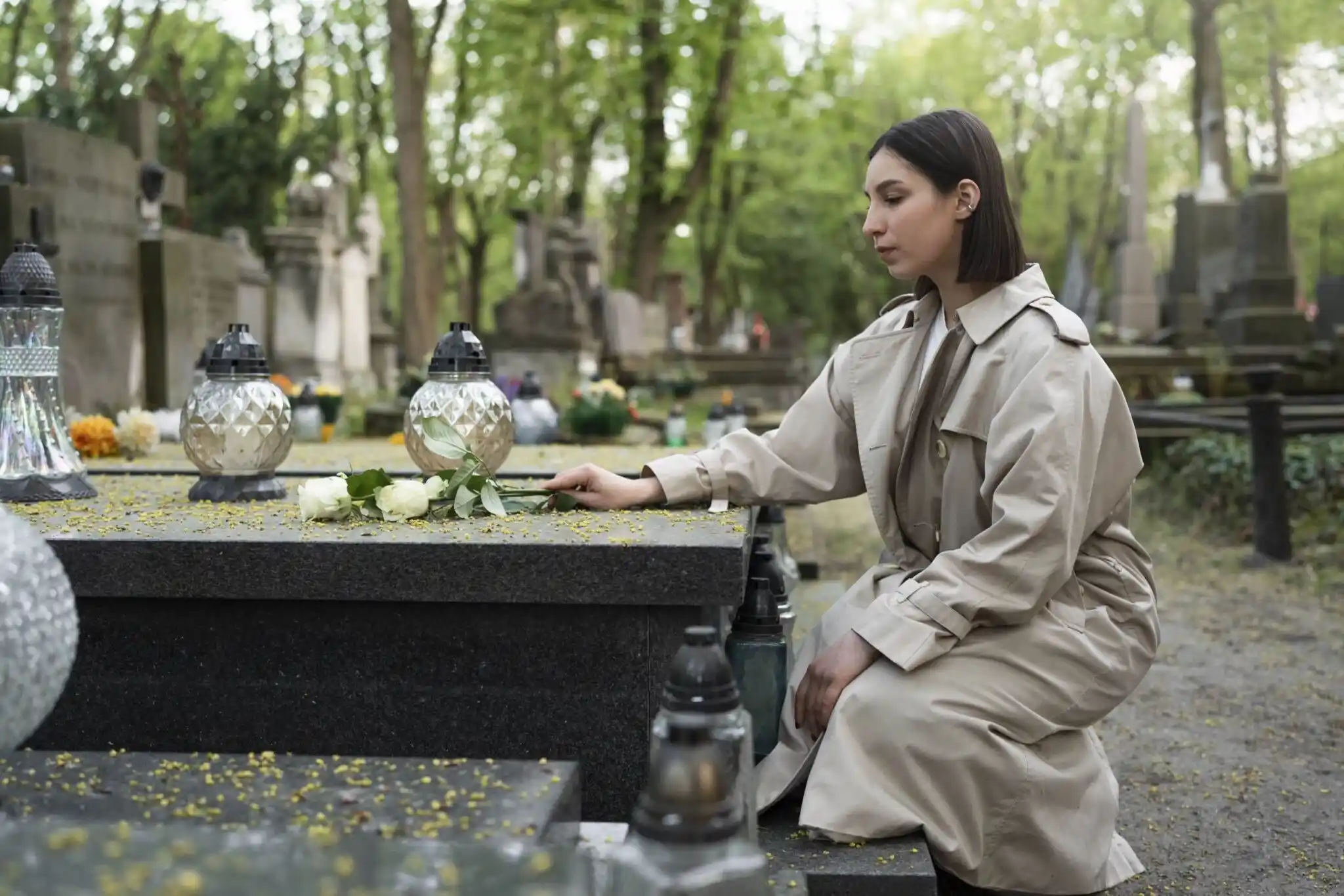
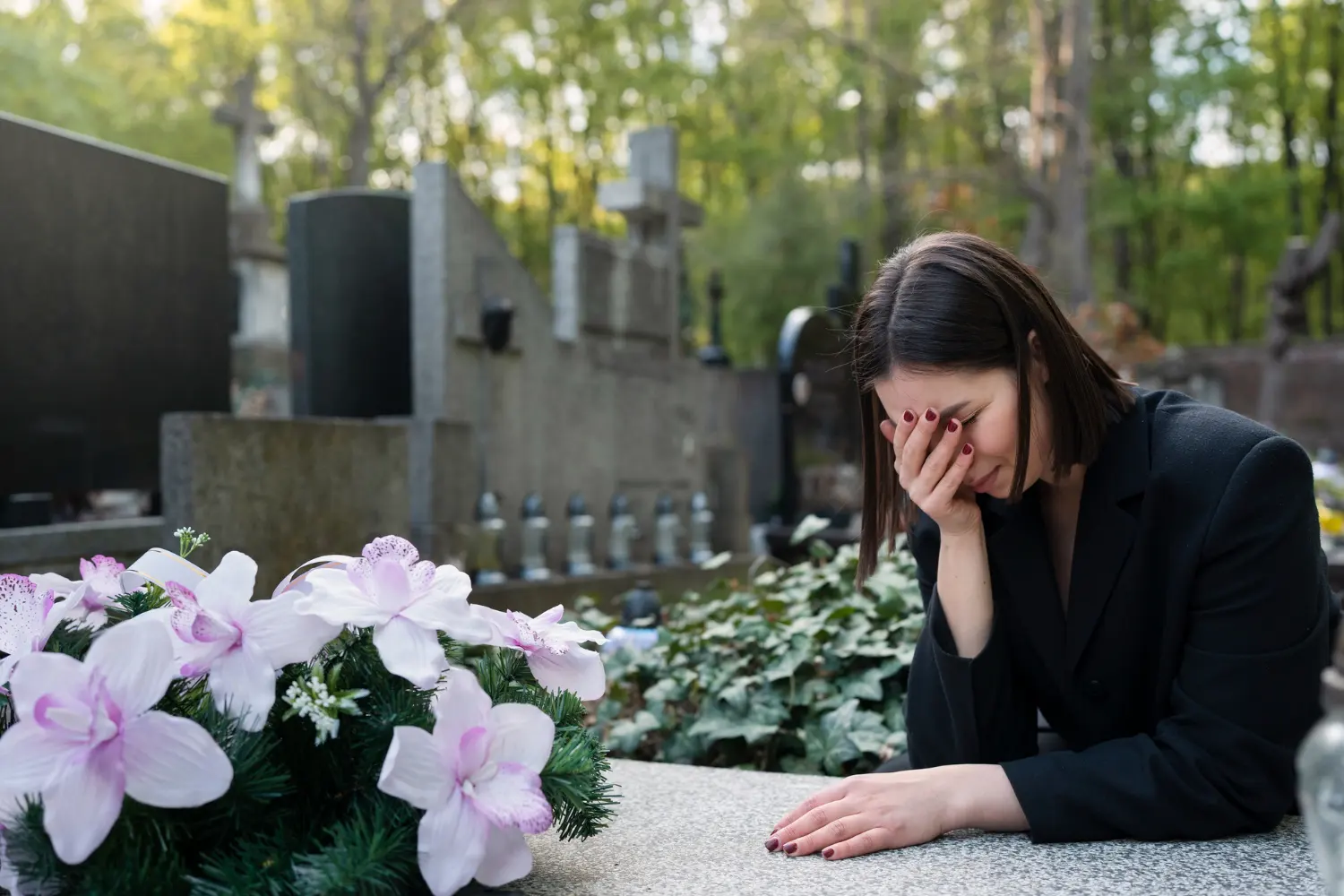
Support for loved ones and caregivers is an essential component of delivering care beyond hospice. Bereavement care and tools for dealing with death and dying are crucial in helping people left behind navigate their grief and find comfort in their loved one’s memories. Furthermore, facilitating discussions regarding advance directives ensures that patients’ intentions are acknowledged and respected, providing peace of mind for everyone involved.
In essence, coordinating community resources outside of hospice care enables patients to enjoy their final days with dignity while receiving care that is in line with their values and preferences. This comprehensive approach not only improves the quality of life for patients in hospice care but also supports their families and caregivers by offering direction and comfort through the obstacles.


“I can’t say enough about the hospice care my grandma received. Any time I needed to call someone was there to help. Bertha, my grandma’s nurse went...” Show more

“I would like to thank Pamela and the life choice staff far providing excellent care for our loved one! They are absolutely kind and highly effective at providi...” Show more

“LifeChoice took great care of my father. Their team was communicative, reliable and supportive during a very difficult time. Their social worker Sara and...” Show more

“You hear many things about how wonderful Hospice can be but to experience it first hand and have an experience like this is something else all together. Life..." Show more

“The LifeChoice team was very attentive and professional during our time we needed the help the most. They covered a full range of offerings to help care for our....” Show more

“My experience with LifeChoice has truly been a blessing. Having lost my mother in January and having to take on the role as full-time caregiver for my father who....” Show more

We had such a wonder experience with Betty, the CNA assigned to my mother. She is such a kind soul and was so helpful to my mom and my family. My mom ...” Show more

“My Dad received excellent care from LifeChoices and it made my Dad's last months more comfortable and more dignified. I especially want to thank the nurse...” Show more

“I want to give a big thank you to Sara, Dorian, Mariam, Rachel, Alex and Alex and anyone else I might have forgotten. The entire team took exceptional...” Show more

“We just lost my father-in-law. Life choice gave us RN Marina and a lovely pastor (with purple hair 💜)... Marina loved gently on all of us while keeping a prof...” Show more
Share your experience with us! Leave a review and mention the name of your nurse, and they’ll receive a free lunch certificate as a thank you from our organization. Your feedback makes a difference!
Explore the many ways our emotional support services bring healing, resilience, and comfort - for both patients and their families.